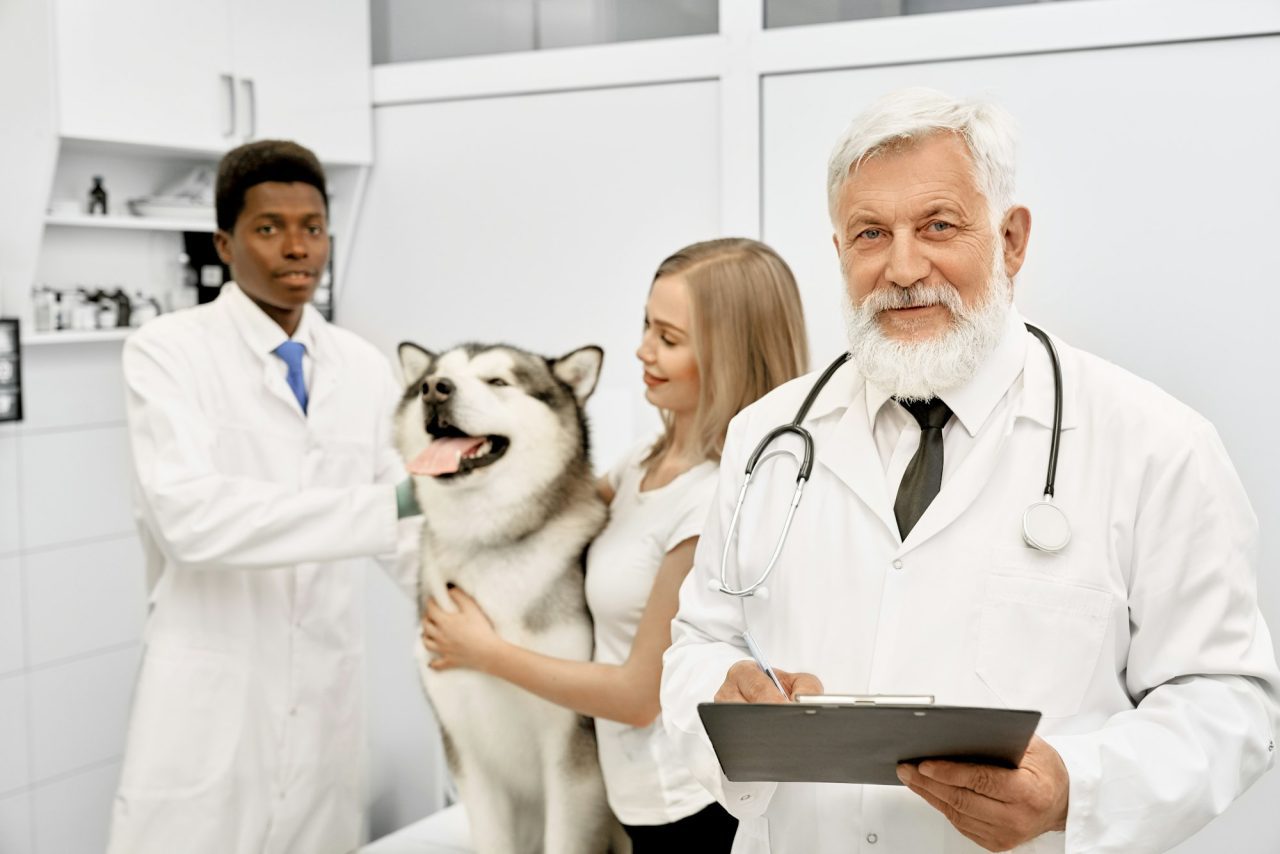

Recognizing when your pet needs medical attention is crucial. Pets can’t use words to tell you they’re unwell. But, they do show signs that require a veterinarian in Bellingham, WA, to assess. Ignoring these warning signals could lead to worsening conditions. Pets often hide their pain instinctively. As an attentive pet owner, you must watch for subtle cues. This can ensure your furry friend gets the care they need in time. Prompt attention to concerning signs can make all the difference. Here are three signs that shouldn’t be overlooked. These signs help you know when to make that hospital visit. Remember, your pet’s health depends on your observation. It’s an emotional duty bound with love and responsibility. You have the power to prevent unnecessary hardship. Each visit to a veterinary hospital can be vital in safeguarding your pet’s well-being. Stay alert and compassionate. Provide your pet with the protection they deserve.
1. Changes in Eating or Drinking Habits
One of the first signs your pet may need medical attention is a change in their eating or drinking habits. If your pet shows a sudden loss of appetite or an increase in thirst, this could indicate an underlying health issue. You might think it’s just a phase or behavioral change, but it’s essential to consider the possibility of illness.
According to the U.S. Food and Drug Administration, changes in eating or drinking can be symptoms of diseases such as diabetes, kidney issues, or dental problems. Monitoring these habits closely can offer critical insights into your pet’s health.
2. Unusual Behavior or Lethargy
Pets often communicate their discomfort through changes in behavior. If your pet becomes unusually aggressive, withdrawn, or lethargic, it’s a sign worth investigating. Behavioral changes can stem from physical pain or emotional distress.
For instance, dogs may growl or snap when they’re in pain, while cats might hide or refuse to interact. Lethargy, or a lack of energy, can be a significant red flag. It might suggest an infection, heart problems, or other serious conditions.
The American Veterinary Medical Association emphasizes the importance of observing your pet’s behavior patterns. They suggest that recognizing these changes early can lead to more effective treatments.
3. Digestive Disturbances
Digestive issues are common in pets but should never be ignored if they persist. Vomiting, diarrhea, or constipation can indicate anything from dietary indiscretions to severe gastrointestinal problems.
Pets often eat things they shouldn’t, which can upset their stomachs. However, if these symptoms persist, it could indicate an infection, parasites, or even poisoning. Timely medical intervention helps in identifying and treating the root cause effectively.
Comparison of Common Symptoms and Possible Causes
| Symptom | Possible Causes |
|---|---|
| Loss of Appetite | Dental Issues, Infections, Pain |
| Increased Thirst | Diabetes, Kidney Disease |
| Aggression | Pain, Anxiety |
| Lethargy | Heart Problems, Infections |
| Vomiting/Diarrhea | Infections, Parasites |
Conclusion
Your responsibility as a pet owner extends to recognizing when your pet needs help. By paying attention to eating habits, behavior changes, and digestive issues, you can act promptly. Remember, you’re not alone in this responsibility. A veterinarian in Bellingham, WA, stands ready to assist. Early detection and intervention are crucial.
Stay observant and compassionate. Your pet’s health and happiness depend on your vigilance. By responding to these signs, you ensure a loving and lasting companionship with your furry friend.