
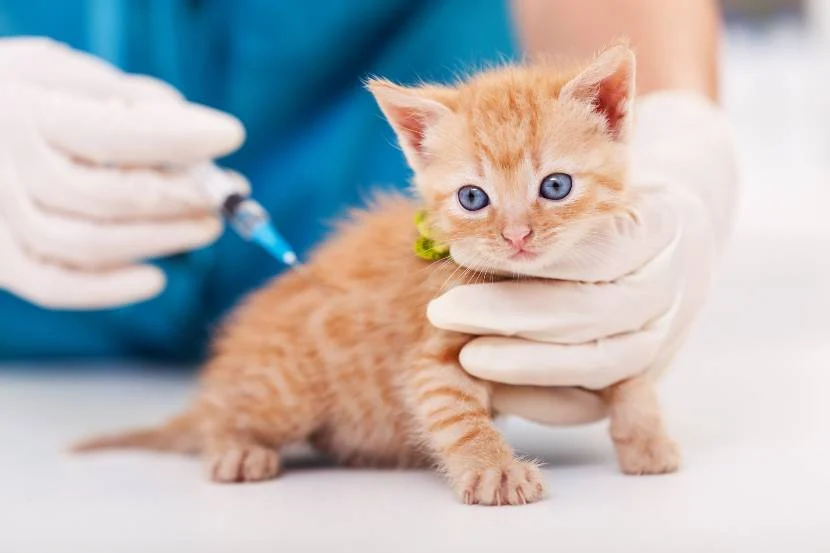

Taking care of your pets means protecting them from harmful diseases. As a caring pet owner, you need to know about the vaccinations that keep your pets healthy. You can’t overlook the importance of these vaccines. They shield your pets from serious illnesses and ensure a long, healthy life. The core vaccines for dogs include rabies, distemper, and parvovirus. Cats need vaccines for rabies, feline distemper, and feline calicivirus. These vaccinations prevent common and severe diseases, making them indispensable. Consult your veterinarian in Long Beach, CA, to create a vaccination plan tailored to your pets’ needs. Regular check-ups and vaccinations are key to safeguarding your furry companions. You are not alone in this journey. Your vet is your partner in protecting your pets. Remember, a vaccinated pet is a healthy pet. Take the first step today to ensure your pets get the essential shots they need.
Core Vaccines for Dogs
Vaccines play a crucial role in maintaining your dog’s health. Three core vaccines are vital for all dogs. These include:
- Rabies: Rabies is a deadly virus that affects the brain. Vaccination is required by law in many places. It protects your dog and prevents the spread to humans.
- Distemper: This virus attacks the respiratory, gastrointestinal, and nervous systems. Without a vaccine, distemper can be fatal.
- Parvovirus: Parvovirus causes severe vomiting and diarrhea. It is highly contagious and can be deadly, especially in puppies. Vaccination is essential to prevent outbreaks.
Each of these vaccines plays a role in preventing serious diseases. They establish a strong foundation for your dog’s health.
Core Vaccines for Cats
Just like dogs, cats have their own set of vaccines to keep them healthy. The core vaccines for cats include:
- Rabies: Rabies affects cats and humans. It is crucial to vaccinate cats as a preventive measure.
- Feline Distemper (Panleukopenia): This virus is highly contagious and can be deadly. It affects the blood cells in cats, leading to severe health issues.
- Feline Calicivirus: This virus causes respiratory infections and oral disease in cats. The vaccine helps in reducing the severity of the illness.
Protecting your cat from these diseases ensures a long, healthy life. The American Animal Hospital Association provides comprehensive vaccination guidelines.
Optional Vaccines
Besides the core vaccines, optional vaccines exist based on lifestyle and environment. These vaccines are not for every pet but can be crucial for some. Examples include:
- Leptospirosis: Recommended for dogs exposed to wildlife or areas with standing water.
- Bordetella (Kennel Cough): Ideal for dogs that spend time in boarding facilities or daycare.
- Feline Leukemia Virus (FeLV): Recommended for cats with outdoor access or contact with other cats.
Consult with your vet to determine if these vaccines suit your pet’s lifestyle.
Vaccination Schedule
A vaccination schedule ensures timely protection for your pets. Puppies and kittens have specific needs compared to adult pets. Here’s a basic schedule:
| Age | Dogs | Cats |
|---|---|---|
| 6-8 weeks | Distemper, Parvovirus | Feline Distemper, Calicivirus |
| 10-12 weeks | Rabies, Distemper | Rabies, Feline Distemper |
| 14-16 weeks | Booster Shots | Booster Shots |
| Annually | Check-up and Vaccines as Needed | Check-up and Vaccines as Needed |
Ensure you follow the schedule set by your vet to maintain immunity.
Conclusion
Vaccinations are essential to your pet’s well-being and protection. Understanding the core and optional vaccines helps you make informed decisions. Regular vet visits ensure your pets stay healthy and happy. Take these steps to safeguard your pets from diseases. A little care goes a long way in ensuring their health and happiness.