
Metal roofing has become an increasingly popular choice for homeowners seeking durability, energy efficiency, and modern aesthetics. If you’re considering metal roofing in Marietta, it’s essential to understand what you’re getting into before making a commitment. A metal roof can be a major upgrade—but it’s also a significant investment, and like any home improvement project, it comes with pros and cons.
Roofing Material Types and Styles
Not all metal roofs are created equal. You’ll need to choose from several materials, including aluminum, steel, zinc, and copper. Each offers different benefits, price points, and lifespans. For example:
- Aluminum is lightweight, corrosion-resistant, and ideal for coastal regions.
- Steel is strong and cost-effective, but requires protective coatings.
- Copper and zinc are premium options known for long-term performance and natural patina development over time.
The style of the roofing also matters. Standing seam panels, metal shingles, and corrugated sheets each offer different appearances and installation methods. Different types of metal roofing include steel, aluminum, copper, zinc, tin, standing seam, and metal shingles, each offering unique benefits such as durability, corrosion resistance, and aesthetic appeal.
Cost vs. Value
A common misconception is that metal roofing is too expensive. While upfront costs are higher than those of asphalt shingles, the long-term value is substantial. Metal roofs can last 40–70 years with minimal maintenance, offering strong ROI through reduced repair needs and lower energy bills. When budgeting, consider not just material costs but also labor, underlayment, fasteners, and ventilation upgrades. It’s smart to compare the full lifecycle cost with other materials to get a complete picture of your investment.
Climate and Performance
One of the biggest advantages of metal roofing is its performance in extreme conditions. In areas with heavy rainfall or snow, metal roofs shed water and ice more efficiently than other materials. They’re also resistant to wind uplift and can reflect heat, making them ideal for hot, sunny climates. However, in colder climates, you’ll want to ensure proper insulation and ventilation to avoid condensation under the panels. Metal roofs can be noisy in rain or hail without sound-dampening underlayment, so that’s another factor to plan for during installation.
Energy Efficiency and Environmental Impact
Metal roofs reflect solar radiation, which can reduce cooling costs by 10% to 25%. Many systems are ENERGY STAR® rated and qualify for tax credits or utility rebates. Additionally, metal is 100% recyclable and often made from recycled content, making it one of the most sustainable roofing options available. Metal roofing offers benefits such as durability, energy efficiency, low maintenance, resistance to extreme weather, and a long lifespan, making it a cost-effective and eco-friendly roofing option.
Maintenance and Installation Expertise
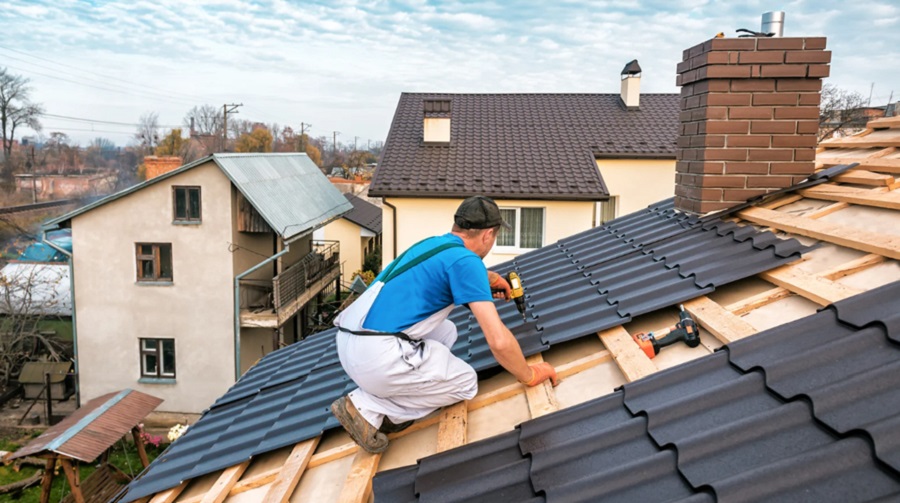
While metal roofs require less maintenance than traditional roofing, proper installation is critical. Improper flashing or fastening can lead to leaks, rust, or structural issues. Always hire a roofing contractor experienced with metal systems, and make sure they offer a solid workmanship warranty. Routine inspections (especially after storms) help extend the life of your roof and catch minor issues before they escalate.
Conclusion
Installing a metal roof isn’t a decision to take lightly—but for the right home, it’s a long-term solution with lasting benefits. From energy savings to weather resistance and modern design appeal, metal roofing delivers both performance and style. Before moving forward, weigh your options carefully and work with a trusted contractor to get the most from your investment.