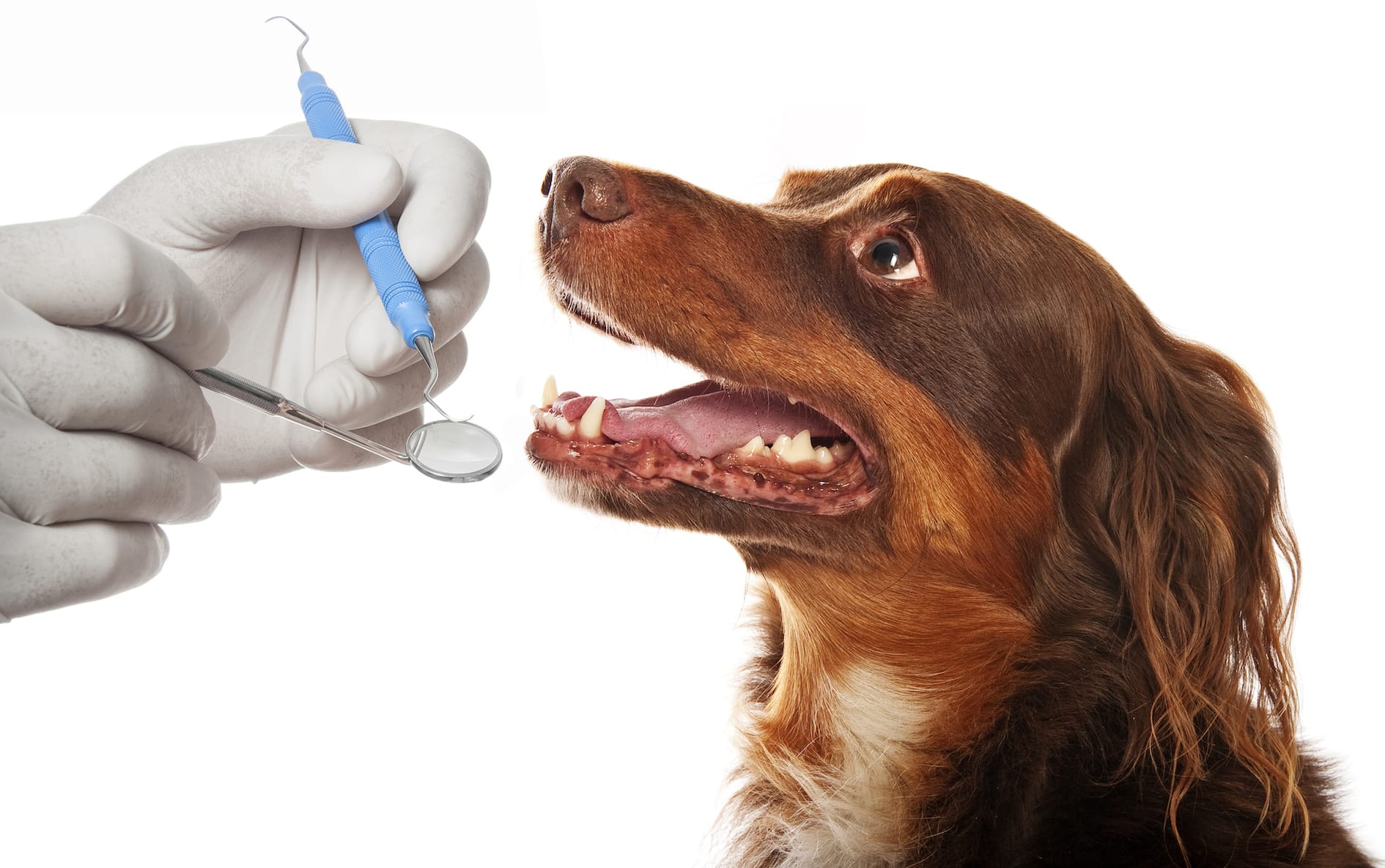

Pet owners often worry about their furry companions’ health, but dental issues can sneak up on you. When you visit your veterinarian in Boise, ID, they frequently spot common dental problems during routine check-ups. You may overlook these issues, but they can significantly affect your pet’s well-being. Dental problems not only cause discomfort but also impact eating, playing, and overall mood. During vet visits, these problems are easy to spot and even easier to manage when caught early. The key lies in recognizing the signs and maintaining regular check-ups. As you read on, you will discover four dental issues your pet might face and learn practical steps to keep their smile healthy. Your pet relies on you to ensure their dental health is not ignored. Tackling these concerns head-on helps you provide a happier and more comfortable life for your furry family member.
1. Periodontal Disease
Periodontal disease is the most common dental issue in pets. It is an infection of the structures around the teeth. This condition starts with plaque buildup, which hardens into tartar. If untreated, it leads to gum inflammation and even tooth loss. Signs include bad breath, red gums, and difficulty eating.
To prevent periodontal disease, brush your pet’s teeth regularly. Use pet-safe toothpaste for effective cleaning. Regular vet check-ups and professional cleanings are also crucial. According to the American Veterinary Medical Association, dental care is essential for long-term health.
2. Tooth Fractures
Pets, especially dogs, love to chew. Unfortunately, chewing on hard objects like bones or rocks can lead to tooth fractures. These breaks expose nerves, causing pain and infection. Watch for signs like reluctance to chew or blood in saliva.
Treating a fractured tooth often requires extraction or root canal. To prevent fractures, provide safe chew toys. Your veterinarian will suggest appropriate options for your pet’s needs. This proactive approach ensures their dental comfort and peace.
3. Retained Baby Teeth
Retained baby teeth occur when the adult teeth grow in but the baby teeth do not fall out. This issue is common in small breeds. It causes crowding, leading to misaligned teeth and gum irritation. Retained baby teeth are identifiable by seeing two teeth in one spot.
Your vet will check for retained teeth during visits. Removal might be necessary to prevent complications. Early intervention prevents future dental problems and supports proper mouth development.
4. Oral Tumors
While less common, oral tumors can impact pets’ dental health. These growths can be benign or malignant. You might notice swelling, bleeding, or a change in chewing habits. It is crucial to catch these early for better outcomes.
If your vet suspects a tumor, they will perform tests for diagnosis. Surgery or other treatments might be needed. Regular dental exams significantly aid early detection. The Texas A&M Veterinary Medicine emphasizes the importance of routine checks for spotting such issues.
Comparison of Dental Issues
| Issue | Common Signs | Prevention |
|---|---|---|
| Periodontal Disease | Bad breath, red gums | Regular brushing, vet cleanings |
| Tooth Fractures | Reluctance to chew, blood in saliva | Safe chew toys |
| Retained Baby Teeth | Double teeth, crowding | Vet check-ups, timely removal |
| Oral Tumors | Swelling, bleeding | Regular exams |
Ensuring Dental Health
Regular dental care maintains your pet’s quality of life. It prevents pain and infection, allowing them to enjoy everything they love most. A simple routine of daily brushing, safe toys, and regular vet visits does wonders.
Taking action now saves your pet from discomfort later. Your veterinarian plays a key role in dental health, offering guidance tailored to your pet’s specific needs. Keep an open line of communication with them. Together, you provide your furry friend with the happy life they deserve.