
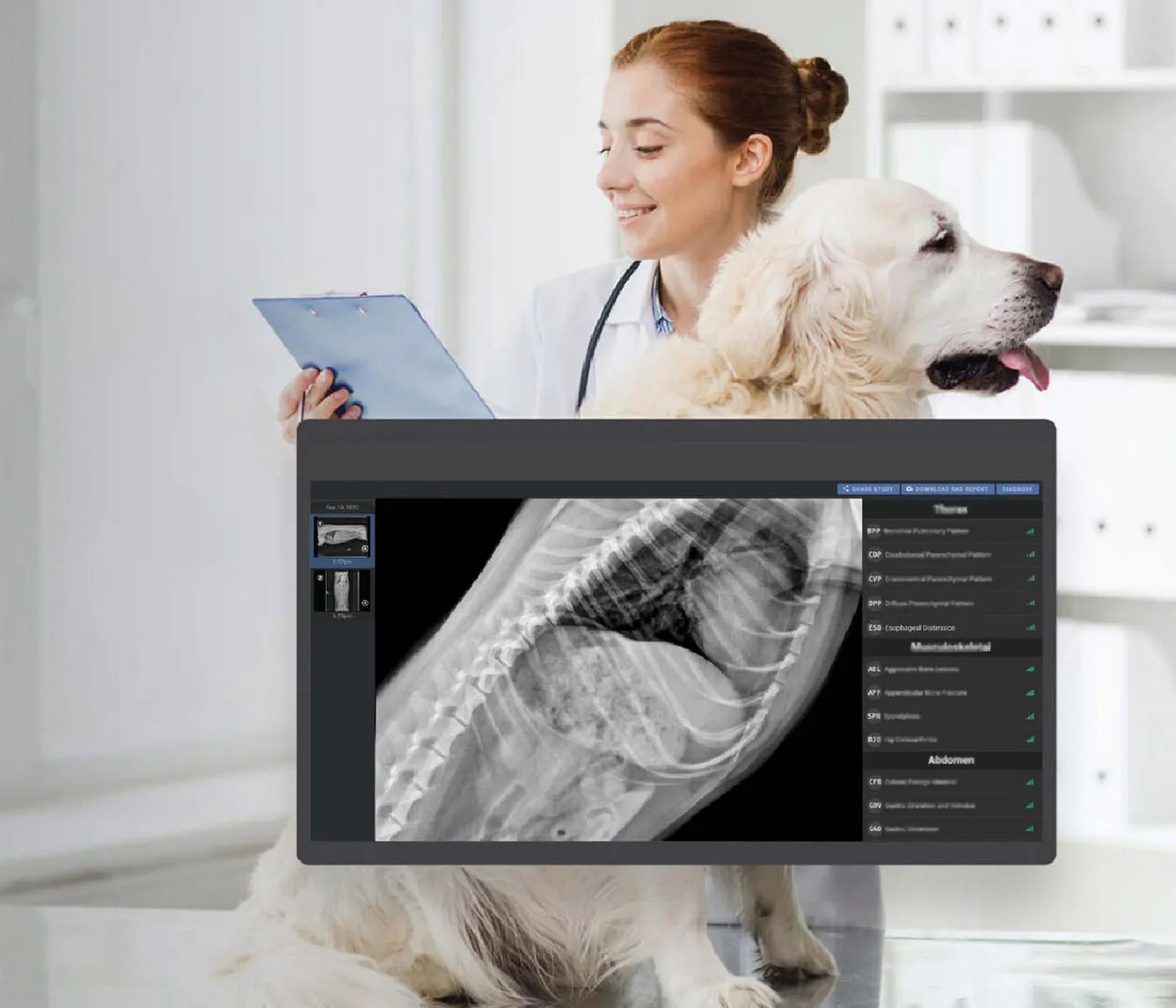

You care deeply about your pet’s health. Getting quick, accurate diagnoses is critical. Digital radiography can make this possible. This advanced imaging method allows for faster decisions when your pet’s health is on the line. It creates clear, precise images, helping veterinarians detect issues early. This means pets get the right treatment sooner, leading to better outcomes. Imagine your pet receiving care that aligns with the latest in veterinary medicine. Consider the Sumter veterinarian who uses digital radiography to pinpoint problems quickly. Their ability to analyze images on the spot reduces wait times and stress for both you and your pet. This modern tool is transforming how veterinarians approach diagnosing conditions. It provides a new level of care, ensuring your pets’ health is a top priority. You can trust this technology to support compassionate and timely care for your beloved furry family member.
What is Digital Radiography?
Digital radiography is a form of X-ray imaging. Instead of traditional film, it uses digital sensors to capture images. This means no more waiting for film development. Veterinarians review images almost instantly. This speed allows them to make faster, more informed decisions about your pet’s care.
Benefits of Digital Radiography
- Speed: Instant image access reduces wait time.
- Quality: Offers superior image resolution.
- Safety: Uses less radiation, ensuring safety for pets and staff.
- Efficiency: Enables quick transfer and sharing of images.
These advantages lead to a streamlined diagnostic process. This technology helps in accurate and quick identification of conditions. Your pet receives the necessary treatment without unnecessary delays.
Comparison to Traditional X-rays
Traditional X-rays have been the norm for decades. However, digital radiography offers distinct advantages. A side-by-side comparison highlights these differences:
| Aspect | Traditional X-rays | Digital Radiography |
|---|---|---|
| Image Access | Delayed, due to film processing | Instantly available |
| Image Quality | Lower resolution | Higher resolution |
| Radiation Exposure | Higher levels | Reduced levels |
| Storage | Physical storage required | Digital storage and easy retrieval |
This table clearly shows why digital radiography is becoming the preferred choice. Its efficiency and safety make a real difference in veterinary care.
Applications in Veterinary Medicine
Digital radiography is versatile. It’s useful in diagnosing a wide range of conditions. For example, it can reveal fractures, foreign objects, and dental issues. This technology plays a crucial role in identifying tumors and masses. It even assists in monitoring chronic diseases like arthritis.
Such applications demonstrate how digital radiography supports comprehensive pet care. It offers peace of mind knowing your veterinarian has the best tools available. For more detailed information on how digital radiography supports veterinary care, you can visit the American Veterinary Medical Association.
The Future of Pet Diagnostics
Digital technology continues to evolve. Future advancements promise even more benefits. Enhanced image clarity and further reduced radiation are just the beginning. These innovations aim to make pet care even faster and more accurate.
Veterinarians adopting digital radiography are at the forefront of these changes. They set the standard for quality pet care, ensuring your pet receives the best possible treatment. As a pet owner, you can feel confident that this technology offers the best for your pet’s health.
Conclusion
In conclusion, digital radiography represents a significant leap forward in veterinary diagnostics. It provides fast, accurate insights into your pet’s health. This means quicker treatments and better outcomes. Your pet benefits from advanced care that aligns with modern veterinary practices. Veterinarians using digital radiography can deliver improved care efficiency. This ensures that your pet’s health always comes first. Trust in the technology that supports your furry family members and their well-being.