
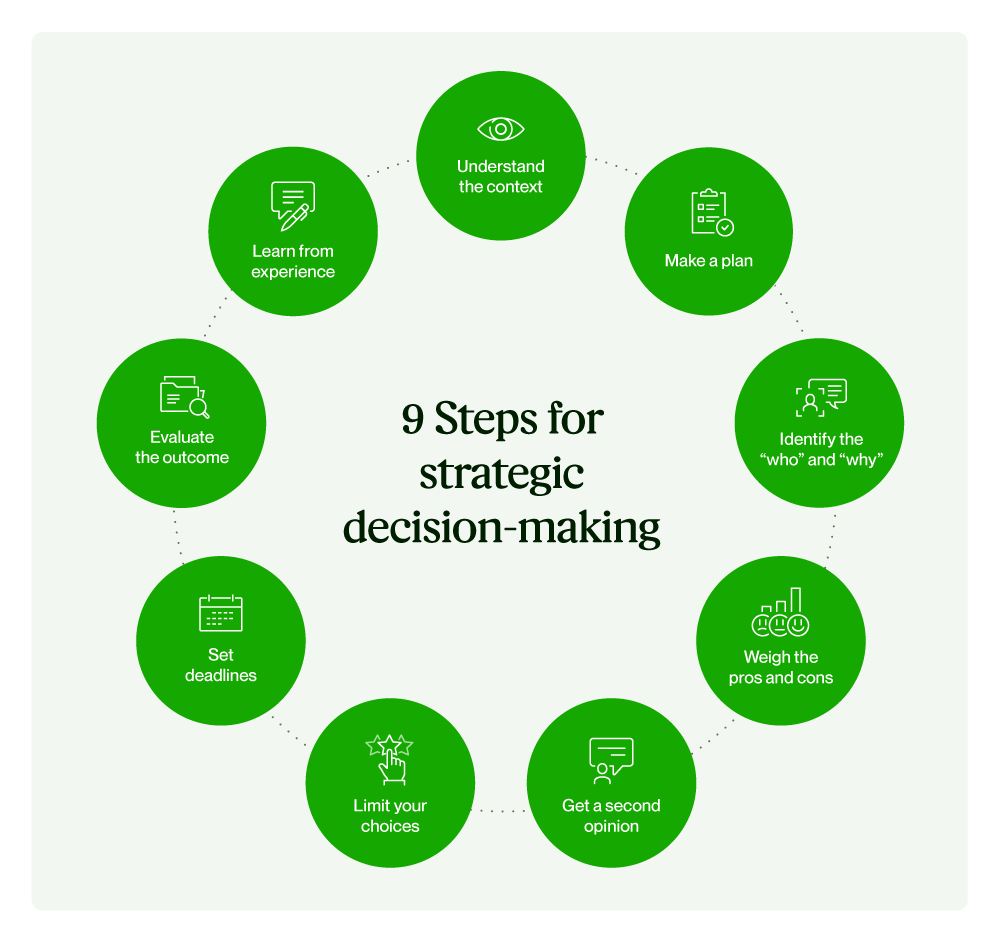

Executives face tough decisions every day. You need tools to guide these choices, and that’s where accounting in Conway shines. Certified Public Accountants (CPAs) offer critical insights to improve your decision-making. By analyzing numbers, CPAs present clear, actionable insights. This data clarifies your path, helping you make informed decisions without second-guessing. As an executive, you must navigate complex challenges. CPAs help by transforming raw data into understandable information. They focus on patterns and trends. These insights steer you toward effective strategies. This guidance supports your goals, reduces risk, and boosts confidence in your choices. Strong decision-making relies on clear, reliable information. CPAs provide this foundation. You can rely on their expertise to guide your company toward success. Mental exhaustion fades when clarity and focus guide your decisions. With trusted CPAs by your side, you lead with assurance.
Understanding the Role of CPAs
CPAs bring expertise and experience crucial for making sound decisions. They interpret financial data and ensure compliance with regulations. Their role extends beyond crunching numbers. They provide strategic advice tailored to your business needs. You gain a clearer understanding of financial health and identify areas for improvement. CPAs can also forecast future trends and prepare you for upcoming challenges.
Financial Analysis and Risk Management
One of the key responsibilities of CPAs is financial analysis. They assess the financial statements to determine profitability and cash flow status. This analysis helps you decide where to invest resources effectively. Risk management is another crucial aspect. CPAs identify potential risks and provide strategies to mitigate them. This proactive approach reduces uncertainties and enhances stability in decision-making.
Decision-Making Tools Provided by CPAs
CPAs equip you with tools and techniques that streamline decision-making. Here are three key tools:
- Budget Planning: CPAs develop budgets that align with your strategic goals. This ensures efficient resource allocation.
- Cost-Benefit Analysis: They conduct analyses to weigh the benefits and costs of a project. This helps in choosing the most profitable ventures.
- Performance Metrics: CPAs establish metrics to evaluate your business performance. This aids in measuring progress towards objectives.
Comparing CPA and Non-CPA Decision Outcomes
The table below highlights the differences between decisions made with and without CPA guidance:
| Aspect | With CPA | Without CPA |
|---|---|---|
| Financial Clarity | High clarity with precise insights | Limited clarity due to lack of expertise |
| Risk Management | Effective strategies to minimize risk | Higher risk due to unawareness of threats |
| Resource Allocation | Efficient and strategic | Often inefficient |
Developing Future Strategies
CPAs play a vital role in long-term strategy development. They offer insights into market trends and economic forecasts. You can plan for future growth confidently. CPAs’ expertise helps in identifying opportunities and avoiding pitfalls. Their strategic guidance empowers you to make informed decisions aligning with your vision.
Conclusion
CPAs are invaluable partners for executives. They enhance decision-making through financial analysis, risk management, and strategic planning. Their insights and tools provide clarity and direction. You gain confidence in your decisions and lead your company with assurance. For more details on CPAs’ contributions to business success, visit the IRS website. By leveraging CPA expertise, you navigate complex business challenges effectively and achieve your strategic objectives.