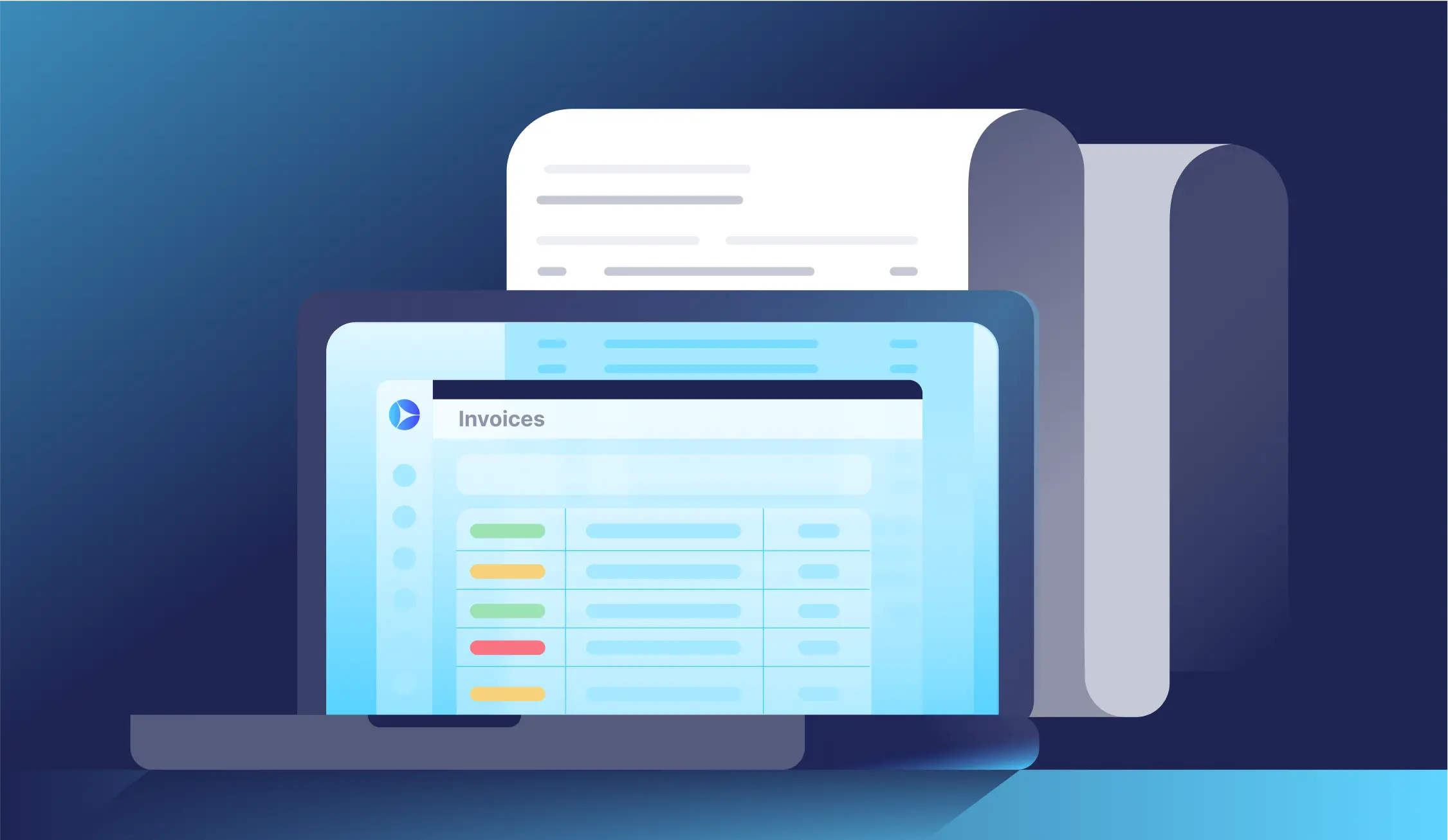

In accounting, even small human errors — such as a misplaced decimal point or a duplicated entry — can lead to significant financial discrepancies. These mistakes not only waste time and resources but can also affect compliance, client relationships, and business credibility. Thankfully, the rise of smart E-Invoicing tools is revolutionizing the way businesses handle billing and payments.
By automating manual tasks and introducing real-time accuracy, these digital systems are drastically reducing human error in accounting.
The Problem with Manual Invoicing
Traditional invoicing processes rely heavily on human input — from creating invoices and entering data to matching payments and updating records. While this approach might work for small volumes, it becomes increasingly error-prone as a business grows.
Common manual errors include:
- Incorrect client details or invoice numbers
- Misapplied taxes orwrong currency conversions
- Duplicate or missed invoices
- Delayed data entry or missed payment reminders
These errors can lead to financial losses, late payments, and damaged relationships with customers or suppliers. Moreover, correcting mistakes consumes valuable accounting time that could otherwise be used for strategic planning.
What a Smart E-Invoicing Tools Eliminate Errors
E-Invoicing tools use automation and intelligent algorithms to handle repetitive accounting tasks with precision. Here is how they help eliminate common errors:
1. Automated Data Entry:
Instead of typing invoice details manually, smart systems extract data automatically from digital invoices or integrated platforms. This minimizes typos and formatting issues.
2. Real-Time Validation:
The system checks every entry for completeness, correct tax rates, and valid vendor information before submission — ensuring invoices are error-free.
3. Duplicate Detection:
Advanced tools automatically flag or block duplicate entries, preventing overpayments or confusion in accounts payable.
4. Automated Matching:
E-Invoicing software can automatically match invoices to purchase orders and payment records, ensuring consistency across the accounting system.
5. Built-In Compliance:
Tools are regularly updated to comply with tax laws and regional regulations, reducing errors related to outdated rules.
By automating these processes, businesses can ensure that every invoice is accurate, consistent, and compliant from creation to payment.
The Role of AI and Machine Learning
Next-generation E-Invoicing tools are equipped with AI and machine learning capabilities that continuously learn from historical data. These intelligent systems can predict errors before they occur — for example, alerting users if an expense looks inconsistent with past transactions or flagging suspicious vendor behavior. Over time, this predictive intelligence enhances data integrity and strengthens financial control.
Benefits Beyond Accuracy
Reducing human error is not just about avoiding mistakes — it is about improving the overall efficiency and transparency of financial operations. Smart E-Invoicing brings:
- Faster payment cycles due to fewer invoice disputes
- Improved cash flow visibility through real-time tracking
- Enhanced productivity by freeing teams from repetitive tasks
- Better audit readiness with clean, traceable digital records
Conclusion
Smart E-Invoicing tools have become indispensable for modern accounting teams aiming to achieve accuracy, efficiency, and compliance. By automating data entry, validation, and payment reconciliation, these systems drastically reduce human error and build stronger financial reliability.
As businesses embrace digital transformation, E-Invoicing is not just a convenience — it is a strategic step toward error-free, intelligent accounting that drives long-term growth and trust.