
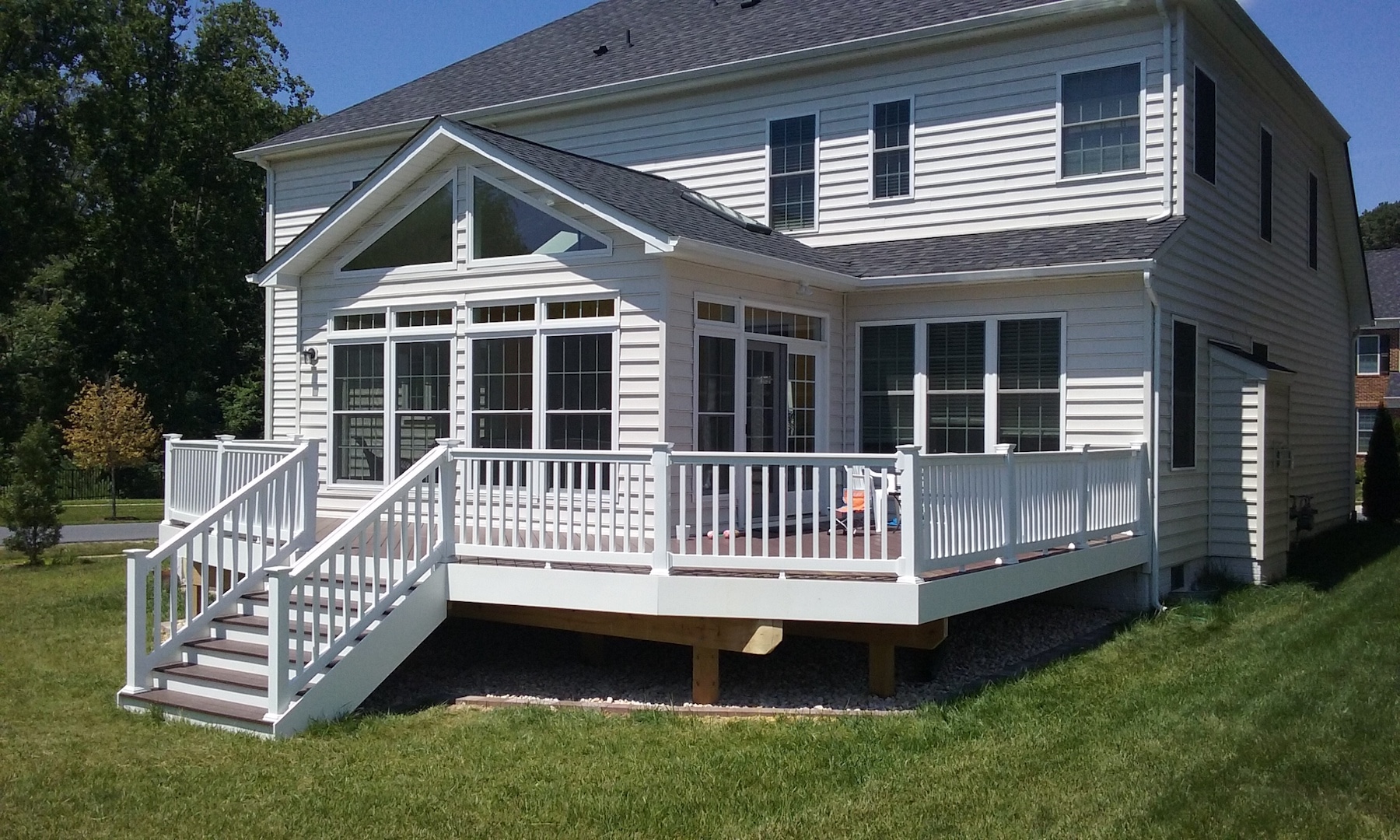

Porch and deck railings serve as both protective systems and architectural features. Their construction demands careful evaluation of materials, measurements, and regulatory compliance. With the right expertise, projects in Frederick achieve results that combine strength with visual harmony. Let’s explore an expert approach to the porch and deck railing process in Frederick.
Site assessment and project specifications
The first phase involves a detailed review of site conditions and structural requirements. For example, the Long Fence company in Frederick, MD, begins projects by inspecting soil stability, deck framing, and load-bearing capacity. Elevation changes and stair access points are also factored into the design.
Specifications developed during assessment guide material selection and layout. Contractors document required railing heights, baluster spacing, and anchoring methods in line with code. Clear specifications eliminate ambiguity later in the project. This systematic approach provides a strong technical foundation.
Structural materials and performance criteria
Material choice is one of the most technical decisions in railing construction. Wood, vinyl, aluminum, and composite each differ in tensile strength, corrosion resistance, and maintenance profiles. Aluminum excels in resisting rust and deformation, while treated wood requires protective coatings. Selecting based on performance data ensures railings meet both safety and longevity goals.
Frederick’s climate places stress on materials through moisture, freeze-thaw cycles, and UV exposure. Providers match products to these conditions to reduce premature wear. High-performance coatings and weather-resistant fasteners add further reliability. Technical attention to material science ensures durability and compliance with safety expectations.
Precision measurement and code compliance
Accurate measurement is critical for both safety and appearance. Post spacing, rail height, and baluster gaps must align with local building codes. A railing too low or with gaps too wide can compromise safety. Precision at this stage protects occupants and satisfies inspection requirements.
Layout planning accounts for uneven terrain, stair angles, and architectural features. Professionals in Frederick often mark lines with chalk or laser levels before drilling anchor points. This proactive step reduces installation errors and material waste. Technical accuracy in measurement is the backbone of compliant construction.
Load testing and installation methodology
Once posts are anchored, installers verify load resistance through pull tests and level checks. Anchoring systems are tightened to meet torque specifications, ensuring long-term stability. Horizontal rails and balusters are connected with brackets designed for structural loads. The method ensures a secure framework capable of withstanding daily use.
Compliance extends to railing height and spacing standards under the International Residential Code (IRC). Crews in Frederick monitor alignment during installation to avoid costly rework. Post anchors are reinforced with concrete where necessary for added strength. This methodology balances safety, durability, and appearance.
Finishing systems and maintenance protocols
The final stage focuses on surface treatments and protective measures. Staining, sealing, or powder-coating railings reduces environmental wear. Hardware is checked for tightness and corrosion resistance. Cleaning and presentation complete the project while reinforcing durability.
Contractors also provide technical maintenance guidance for long-term performance. Common recommendations include:
- Wash with mild detergent to prevent residue buildup
- Inspect fasteners semi-annually for corrosion or loosening
- Reapply protective coatings on wood every two to three years
- Monitor high-traffic areas for wear requiring reinforcement
These practices extend railing life cycles while preserving safety standards. A structured maintenance plan secures the value of the investment.
A technical approach to porch and deck railing includes site evaluation, material science, precise measurement, load-tested installation, and structured maintenance. For example, the Long Fence company in Frederick, MD, demonstrates how expertise across each phase ensures reliable results. With this method, property owners in Frederick gain railings that meet codes, perform under stress, and complement architectural design. The outcome is a system engineered for strength and crafted for style.