
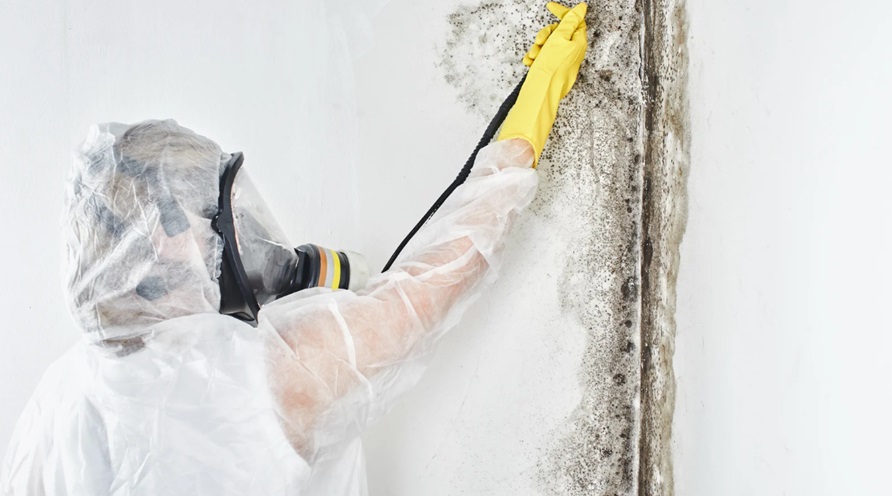

In commercial spaces, mold is more than just a maintenance issue—it’s a threat to structural integrity, tenant health, and business continuity. Unlike residential settings, mold problems in commercial buildings often go unnoticed until they cause visible damage or health complaints. This makes proactive inspection and treatment by a mold specialist in Atlanta is essential for facility managers and business owners.
Why Mold Remains Hidden in Commercial Spaces
Commercial properties typically feature larger HVAC systems, sealed windows, and complex infrastructure—all of which can create pockets of moisture. These areas often go unchecked for extended periods, allowing mold to grow silently behind walls, ceiling tiles, or under flooring.
Poor ventilation, plumbing leaks, and fluctuations in humidity also contribute to ideal mold conditions. While surface mold may be easy to identify, hidden mold can continue to spread out of sight, causing serious issues. Employees may start experiencing fatigue, allergies, or respiratory problems, often without realizing that the environment is the cause.
The Risk of Ignoring Hidden Mold
The danger of hidden mold goes beyond aesthetics. Mold spores can become airborne, traveling through ductwork and impacting indoor air quality. Prolonged exposure in commercial environments can lead to widespread health concerns, legal liabilities, and even temporary business closures.
Understanding the severity of these issues is crucial. In fact, there have been extreme cases showing how hidden mold almost killed a healthy 37-year-old woman, illustrating just how silently dangerous it can be when left undetected in enclosed environments. This underlines the importance of prompt, expert intervention before the issue escalates.
How Specialists Locate and Remove Hidden Mold
Mold specialists are trained to identify and address mold that isn’t visible to the naked eye. They use advanced techniques such as infrared scanning, moisture mapping, and air sampling to pinpoint mold colonies within walls, duct systems, and other concealed spaces.
Once detected, specialists implement industry-grade containment procedures to prevent the spread of spores during removal. They also treat affected areas with antimicrobial solutions and recommend building upgrades to prevent recurrence. This level of detail and precision is especially important in high-traffic commercial zones where contamination can spread quickly.
If you’re wondering how to ensure proper treatment, knowing how to hire the right mold removal specialist makes a significant difference. Reputable professionals don’t just remove mold—they offer thorough assessments, preventive advice, and documentation that satisfies commercial leaseholders, insurance adjusters, and regulatory bodies.
Conclusion
In commercial environments, hidden mold is a silent intruder that can compromise both property and people. Without expert intervention, what starts as a minor issue can turn into a full-blown operational hazard. That’s why commercial property owners and managers must act quickly when signs of mold are suspected—or ideally before those signs even appear.
Hiring a certified mold specialist in Atlanta is a strategic move that protects your building, occupants, and reputation. With the right tools and expertise, these professionals uncover hidden risks, restore indoor air quality, and help you stay compliant with health and safety standards. Addressing mold proactively isn’t just a maintenance task—it’s a commitment to the health, performance, and value of your commercial investment.