
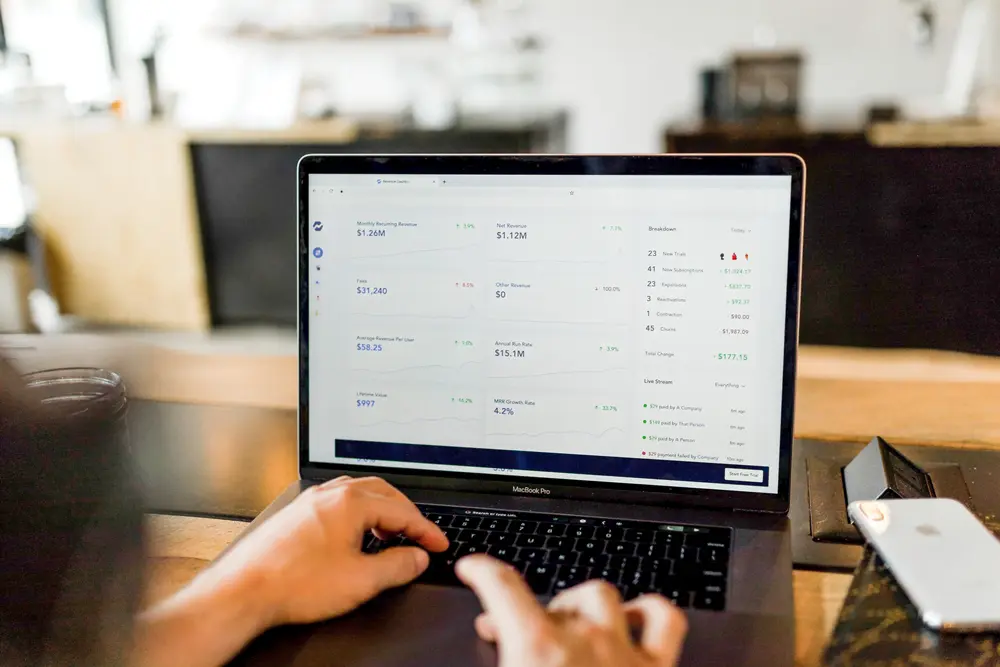

In today’s fast-paced world, staying on top of your business’s finances is essential. Real-time bookkeeping is your secret weapon. It helps you make smart decisions and keep your business on track. When you have up-to-the-minute financial data, you gain clarity. You can spot trends, foresee challenges, and act quickly. Imagine being able to see your cash flow, expenses, and profits instantly. This allows you to adjust strategies before problems occur. If you’re an accountant in Johnson City, or anywhere else, offering real-time bookkeeping can set you apart. Your clients will appreciate the transparency and timely insights. With real-time data, you avoid costly mistakes and seize opportunities. No more guessing or crossing fingers. Instead, you use facts to drive your business forward. Real-time bookkeeping puts you in control, so you make informed choices that lead to success. Stay ahead of the curve by embracing this powerful tool.
Understanding Real-Time Bookkeeping
Real-time bookkeeping means recording transactions as they happen. Unlike traditional methods, where data entry occurs weekly or monthly, real-time bookkeeping provides instant updates. This approach gives you a clear view of your financial status at any moment. It helps you identify issues early and take corrective action before they escalate.
Benefits of Real-Time Bookkeeping
Real-time bookkeeping offers many benefits for businesses of all sizes. Here are three key advantages:
- Improved Accuracy: Recording transactions immediately reduces errors. There’s less chance of missing or duplicating entries.
- Enhanced Decision Making: With current data, you make informed decisions without delay. You react quickly to changes in the market.
- Better Financial Planning: Real-time insights help you plan and allocate resources more effectively. You manage cash flow and invest wisely.
Real-Time vs. Traditional Bookkeeping
To understand the impact of real-time bookkeeping, consider the following comparison:
| Aspect | Real-Time Bookkeeping | Traditional Bookkeeping |
|---|---|---|
| Data Entry | Immediate | Periodic (weekly/monthly) |
| Financial Visibility | Instant | Delayed |
| Error Rate | Low | Moderate to High |
| Decision Making | Proactive | Reactive |
Implementing Real-Time Bookkeeping
Transitioning to real-time bookkeeping requires some adjustments. Here’s how you can implement this approach:
- Invest in Technology: Use cloud-based accounting software for seamless data entry and access. Consider platforms like this IRS guide on choosing accounting methods.
- Train Staff: Ensure your team understands the new processes and tools. Provide training to improve their skills and efficiency.
- Establish Procedures: Develop clear procedures for data entry and review. Regularly update and audit records to maintain accuracy.
Future-Proof Your Business
Real-time bookkeeping is not just a trend. It’s a necessary evolution in managing business finances. As markets become more competitive, having real-time insights gives you an edge. You stay ahead by making timely and informed decisions that drive growth.
For further insights into the benefits of modern accounting practices, explore resources like the U.S. Small Business Administration. They offer guidance to help businesses thrive.
Conclusion
Embracing real-time bookkeeping transforms your business finances. It provides clarity, accuracy, and timely insights crucial for smart decision-making. Whether you’re an accountant or a business owner, adopting this approach helps you stay competitive. You gain control over your financial data, allowing you to navigate challenges effectively. The future of business lies in agility and informed actions. Real-time bookkeeping is your tool to achieve both. Take the first step today and revolutionize your financial management.