
Tooth loss can shake your sense of normal. The connection between periodontal disease and losing teeth is clear and concerning. When you neglect your gums, you risk significant dental issues. Plaque buildup leads to gum inflammation. If untreated, it can worsen and attack the bone supporting your teeth. Your smile deserves protection. Partnering with a gum specialist Long Island offers can make a difference. These experts help identify early signs and prevent tooth loss. You are not alone in this journey. Many face similar challenges. With timely care, you stop the progression of periodontal disease. Understanding the link between gum health and teeth can save smiles. Regular dental checkups and proper hygiene are crucial steps. Simple actions like brushing and flossing go a long way. Early attention can prevent long-term problems. Your oral health affects your daily life. Take steps now to keep your teeth and gums healthy.
Understanding Periodontal Disease
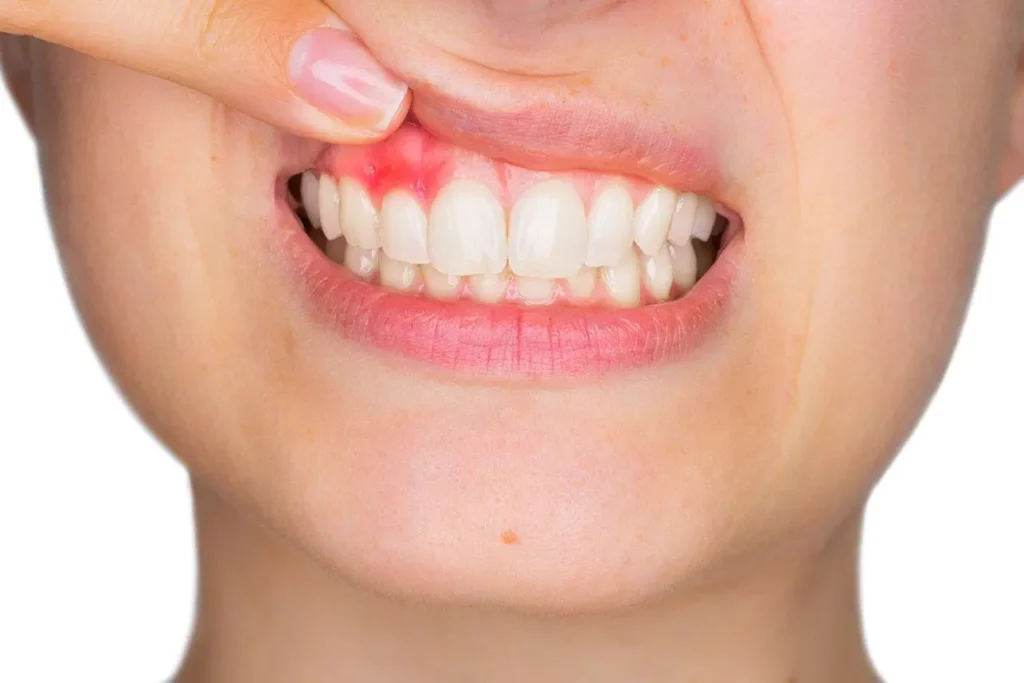
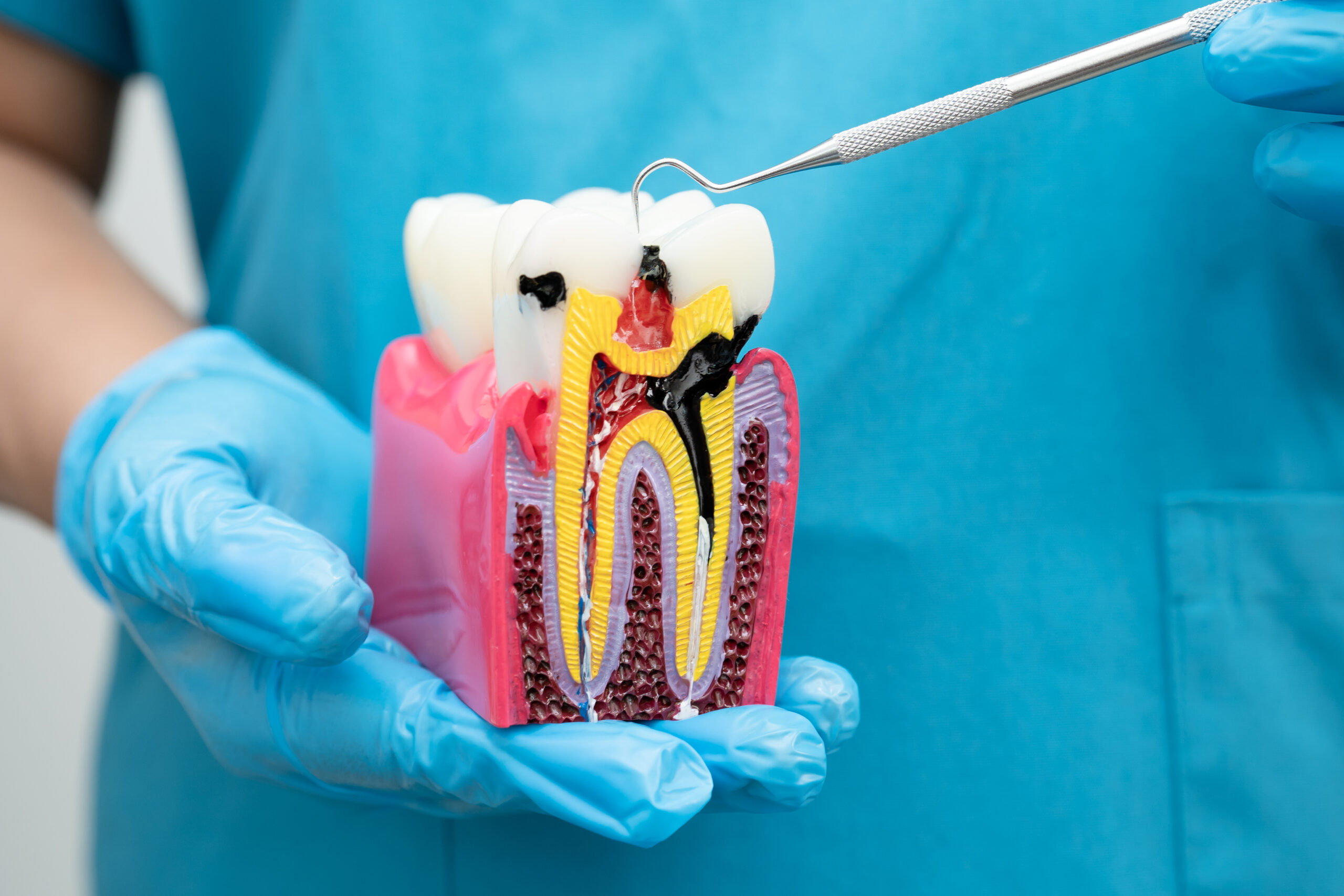
Periodontal disease, often known as gum disease, starts with inflammation and can progress to serious damage. The first stage is gingivitis, where gums become swollen and bleed easily. At this point, the condition is still reversible with proper care. However, if ignored, it can move to periodontitis, which is more severe. The infection spreads and affects the bone and tissues supporting your teeth. This can lead to tooth loss.
The Importance of Prevention
Preventing periodontal disease is easier than dealing with its consequences. Regular dental visits play a crucial role in early detection. A dental professional can spot issues before they develop into serious problems. Routine cleanings remove plaque and tartar that regular brushing might miss. Daily habits also matter. Brush your teeth twice a day and floss regularly to prevent plaque buildup. These habits form the foundation of good oral hygiene.
Impact of Periodontal Disease
Research highlights the profound impact of periodontal disease. According to the National Institute of Dental and Craniofacial Research, adults with advanced gum disease are at risk of tooth loss, which can affect eating, speech, and self-esteem. Treating periodontal disease can halt or slow tooth loss, making early intervention critical. In the table below, see the difference between healthy gums and various stages of gum disease:
| Stage | Gum Condition | Symptoms |
|---|---|---|
| Healthy Gums | No inflammation | No bleeding, firm texture |
| Gingivitis | Mild inflammation | Redness, bleeding while brushing |
| Periodontitis | Severe inflammation | Receding gums, loose teeth, bad breath |
Steps to Protect Your Smile
Your role in protecting your teeth is vital. Start with these actions to maintain healthy gums:
- Brush twice daily using fluoride toothpaste.
- Floss daily to remove plaque between teeth.
- Visit your dentist for regular checkups and cleanings.
- Quit smoking. It increases the risk of gum disease.
- Maintain a balanced diet to support oral health.
Collaborating with Specialists
When facing periodontal disease, consider working with specialists. A periodontist is a dentist who focuses on gum health. They provide deep cleaning treatments, sometimes called scaling and root planing, to remove tartar and bacteria. If needed, they perform surgeries to restore damaged gums and bones. Consulting with a qualified professional ensures you receive personalized care to address your specific needs.
The Link Between Overall Health and Gum Health
Your overall health ties closely with your gum health. Studies reveal connections between gum disease and systemic conditions like diabetes and heart disease. Keeping your gums healthy can contribute to better overall health. It’s more than just your smile at stake; it’s your well-being.
Conclusion
Understanding the link between periodontal disease and tooth loss empowers you to make informed decisions. Early intervention, regular dental care, and a commitment to oral hygiene can protect your teeth. Your smile and health rely on these actions. Choose to invest in your oral health today, and you protect your future well-being.