
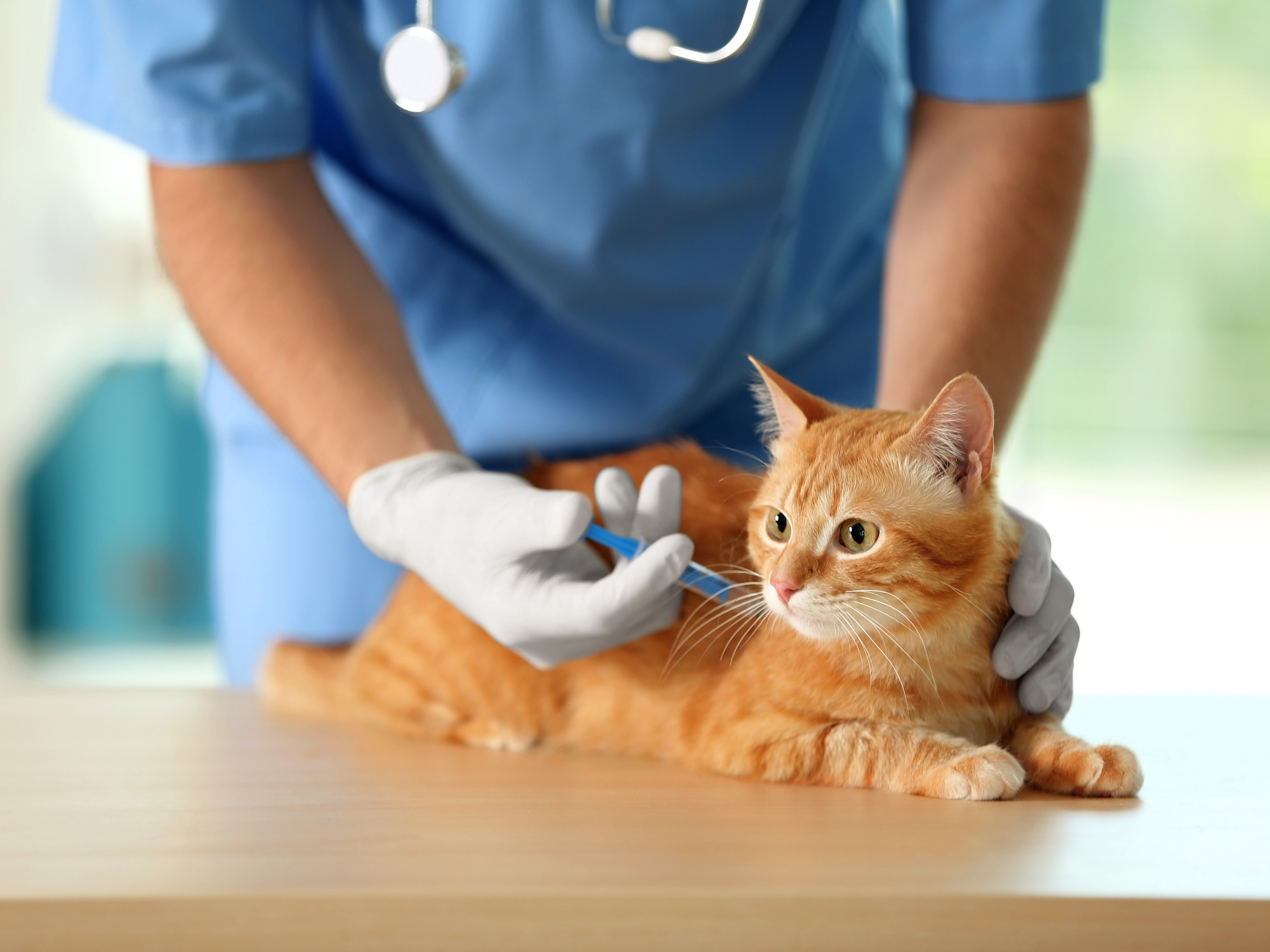

Vaccines play a crucial role in keeping your cats and dogs healthy. They protect them from harmful diseases and ensure your pets enjoy long, happy lives. A strong immune system shields your pets from illnesses that could otherwise impact their well-being. Your veterinarian in Silver Spring, MD, offers expert guidance on the right vaccines for your pets. It is important to vaccinate your pets to prevent the spread of contagious diseases. You safeguard not only their health but also the health of other animals. Many diseases are preventable with timely vaccines. These vaccines are essential tools in your pet care toolkit. Regular check-ups and vaccines give your pets the best chance for a healthy life. Protect your beloved companions. Prioritize their health through routine vaccinations. It is a small step that makes a big difference. Trust in expert advice to keep your pets safe and healthy.
Why Vaccination Matters
Vaccinations are vital for preventing diseases that can lead to severe health issues or even death in pets. Infectious diseases like rabies, distemper, and parvovirus are highly contagious and can spread rapidly among unvaccinated animals. Regular vaccination not only assists in reducing disease outbreaks but also protects your pet from suffering. It is your responsibility to provide this layer of protection for your beloved animals.
Core and Non-Core Vaccines
Vaccines for pets are broadly categorized into core and non-core vaccines. Core vaccines are those that every cat and dog should receive, regardless of location or lifestyle. Non-core vaccines depend on the pet’s exposure risk, influenced by factors like geography, lifestyle, and health condition.
| Core Vaccines for Dogs | Core Vaccines for Cats |
|---|---|
| Rabies | Rabies |
| Distemper | Feline Viral Rhinotracheitis |
| Adenovirus | Calicivirus |
| Parvovirus | Panleukopenia |
Non-Core Vaccine Considerations
Non-core vaccines are optional and depend on specific risk factors. For example, the Bordetella vaccine is often recommended for dogs that frequent kennels or dog parks. Cats that spend time outdoors may benefit from the Feline Leukemia vaccine. Your veterinarian will help determine which non-core vaccines suit your pet’s lifestyle. It is critical to evaluate these factors and make informed decisions based on expert advice.
Vaccine Schedule and Boosters
Knowing when to vaccinate your pet is as important as the vaccines themselves. Puppies and kittens typically start their vaccine series at six to eight weeks of age. They require booster shots every few weeks until about 16 weeks. After their initial vaccines, adult cats and dogs need boosters at regular intervals. Staying on schedule ensures your pet remains protected throughout their life. For detailed vaccine schedules, consider referring to resources like the American Veterinary Medical Association.
Addressing Vaccine Concerns
Some pet owners worry about vaccine safety and side effects. While side effects occur, they are usually mild and temporary. Swelling at the injection site, slight fever, or sluggishness may happen. Severe reactions are rare. Discuss any concerns with your vet who will provide clarity and manage risks appropriately. Trust in their expertise for a balanced view on vaccination benefits versus potential risks.
Conclusion
Vaccinating your cats and dogs is a fundamental part of responsible pet ownership. It protects them from dangerous diseases, ensures a healthier life, and contributes to the welfare of other pets in your community. Taking the time to understand core and non-core vaccines, adhere to vaccination schedules, and address concerns with your veterinarian can’t be overstated.
In short, vaccinating your pets safeguards their health and offers peace of mind. Be proactive and attentive to keep your furry friends safe, healthy, and thriving.