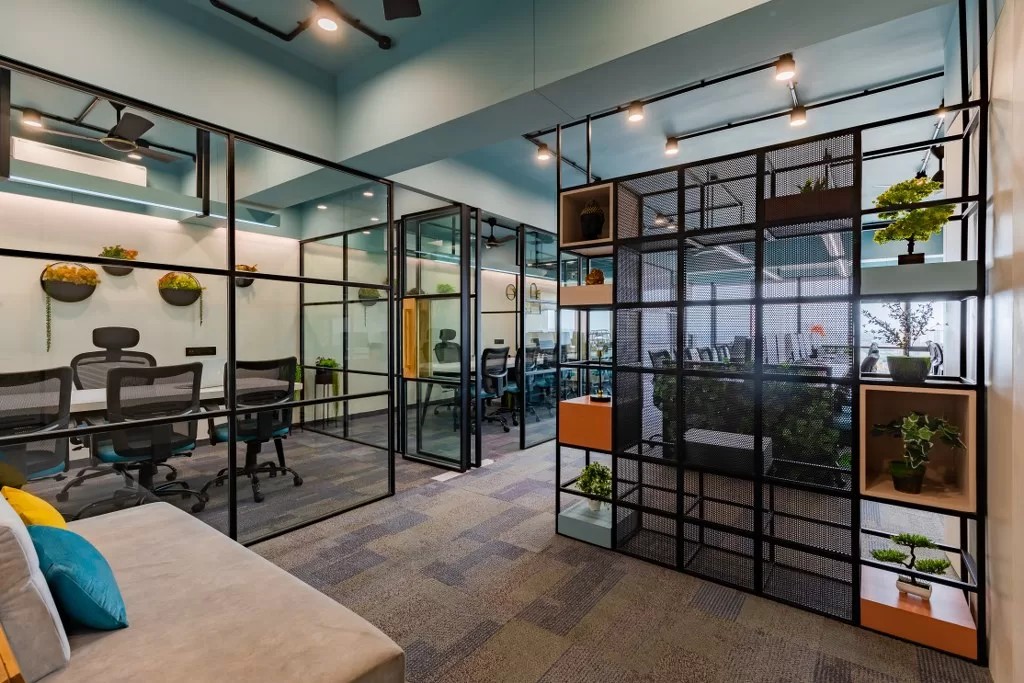

Modern office design is more and more about being open and clear, using sleek glass dividers to provide offices that are open, light, and collaborative. Monolithic drywall is no longer in style. Instead, people are leaning toward designs that let in more natural light and encourage visual connection. However, this move toward large windows creates a big technical problem: how to keep the desired minimalist look while making sure that safety, security, and long-term performance are all met in busy commercial spaces. It’s a difficult balancing act, and advanced technical solutions are essential to turning glass that seems weak into strong, code-compliant, and secure architectural features that improve workplace security instead of making it worse.
Advanced Glass Engineering: Strength in Openness
The glass itself is quite different from regular window panes, which is the first thing that makes contemporary glass barriers safe. Engineers use complex methods like tempering and laminating to change its qualities in big ways. Glass office walls, for example, are designed using these advanced techniques to ensure both safety and aesthetics in modern workplaces. When heat or chemicals are used to temper glass, it becomes much stronger than annealed glass. When it breaks, it breaks into little, comparatively harmless grains instead of big, jagged shards. Laminated glass goes even farther by putting a plastic layer (usually PVB or SGP) between two or more glass panes. This layer keeps the glass together even if it cracks, which keeps it from falling apart and makes it safer against break-ins and impacts. This careful study of materials science makes sure that the glass panels seem light and open, but they are really quite strong and can handle a lot of force without breaking.
Innovations in Framing and Track for Anchoring Security
The frame and track systems are the unsung heroes of partition safety, in addition to the glass itself. These aren’t just for show; they’re important parts of the building’s structure that keep it safe for those who live there. Think about the head and floor tracks: current designs include features like anti-slip mechanisms and precision channeling that keep the glass panels in place, even when there is lateral pressure, so they can’t move or come loose. Strong aluminum or steel framing gives the outside of the building the strength and stiffness it needs. Door hinges and mechanisms are designed to work smoothly for hundreds of thousands of cycles while keeping tight tolerances that stop doors from drooping or becoming out of alignment, which is a frequent safety risk. These strong materials and precise engineering make sure that the whole system is stable, safe, and works well for decades. This shows that careful design reduces long-term risk.
Seamless Integration: Where Beauty and Engineering Come Together
Contemporary glass office partitions work well because of advanced engineering that effortlessly combines elegance with important safety elements. The sleek, simple look doesn’t come at the cost of safety or longevity; instead, it comes from new glass technology, strong frame systems, and smart track designs. Anti-slip tracks and the use of very strong materials are not simply technical details; they are the building blocks that make sure the attractive, clear workstation is also safe and dependable. The combination of cutting-edge materials science and precise mechanical engineering creates partitions that are not only beautiful, but also safe, high-performing, and made to last. They are the perfect example of how to balance form and function in modern architecture.